

By Michelle Grenier, MD (Guest Blog)
Finding the right rural medical expert witness can be the deciding factor in a malpractice case—especially when care occurred in an under-resourced setting.
“No tengo prostaglandins, Doctora. We used last week.”
When Standard of Care Meets Resource Scarcity
My heart sank. The one life-saving medication for this particular heart defect was gone. In this town on the border of Mexico, only one dose per month was allotted to our region—a far cry from the steady supply at any tertiary care center in the United States.
Practicing Medicine in a Healthcare Desert
I had been on call 24/7, 365 days a year for the past three years, and still couldn’t fathom practicing in a setting like this. This hospital, considered a secondary level of care, was the major medical center for a 100-mile radius. Unlike tertiary or quaternary centers with academic affiliations and cutting-edge resources, we were constantly improvising.
Without the prostaglandins, I had to fly by the seat of my pants again. I used my knowledge of cardiac physiology to stabilize the infant, while I anxiously awaited air transport to the nearest tertiary care center. I prayed my actions would be lifesaving. Meanwhile, I had to unplug our ancient echo machine (heart ultrasound) because whenever I used it, the power diverted away from the ventilators, and the babies had to be hand-ventilated by nurses. Sometimes the machine froze mid-study, forcing us to choose between a critical diagnosis and consistent respiratory support.
Thankfully, the baby was able to reach the tertiary center and underwent the necessary intervention. As far as I know, she had no long-term repercussions. But what if she had? What if her developmental delays were later blamed on my improvised therapy? Would my care have been considered below the standard? Would the nuances of resource-limited practice be understood in court?
The Urban-Rural Disconnect in Pediatric Cardiology
I have worked in both high-resource, urban academic centers and healthcare deserts. I’ve seen both sides. And I have had to explain, time and again, to brilliant colleagues why a rural physician made the decision that they did. Often, those colleagues are shocked to learn just how much we don’t have in these settings: medications, imaging modalities, specialty consults, and even functioning equipment.
When Guidelines Meet Real-World Limitations
Yes, these academics can boast a panoply of original peer-reviewed publications, which form the basis of Academy and Society guidelines the rest of us follow. But guidelines often presume ideal circumstances. That’s rarely the case in rural hospitals. It’s the difference between theory and practice, between the classroom and the field.
Practicing in the trenches is war. And unless you’ve lived it, it’s difficult to fully understand the moment-to-moment decisions being made by rural physicians. We don’t choose to “wing it.” We have to.
Guidelines often presume ideal circumstances. That’s rarely the case in rural hospitals.
Diagnosis Delayed: The Tools You Don’t Have
I once attended a care conference where a cardiology fellow could not fathom why a patient hadn’t received a cardiac MRI to rule out myocarditis, a life-threatening infection of the heart muscle. What she didn’t know: the only pediatric radiologist in Albuquerque was uncomfortable sedating critically ill children for MRI and unsure how to interpret the results. At a national conference, a case was criticized for not including a 3-D stress echo. The referring cardiologist had been in solo practice in rural Texas for 20 years and did not have access to the equipment. Could the child have been transferred sooner? Maybe. But the first step is always diagnosis. And you can’t diagnose what you can’t see.Blatant negligence should never be excused. But we must also acknowledge that rural clinicians are often practicing with one hand tied behind their back. Take workforce availability: Colorado has 50 pediatric cardiologists. New Mexico has seven. That’s not a personnel problem—that’s a public health crisis.
The first step is always diagnosis. And you can’t diagnose what you can’t see.
Beyond the Clinic: Social Determinants and Public Health Crises
Social factors also complicate care. Some families on tribal lands lack electricity or running water. They rely on high-sodium processed foods, which worsen heart failure. Transportation is another issue—five families may share one car. Medical visits become logistical hurdles.
Why Lived Experience Matters in Medical Testimony
One in every 100 people is born with a heart defect. Thanks to progress in pediatric cardiology, ten times that number survive and thrive into adulthood. We have succeeded in raising a high bar for care, and we should never lower it. But when evaluating care provided in an under-resourced setting, we must consider the context in which it occurred.
Why Attorneys Need a Rural Medical Expert Witness
So, when selecting a rural medical expert witness, choose someone who has truly lived that world. Look beyond the publications and academic pedigree. Ask the harder question: Have they actually practiced in a healthcare desert—not just a small community hospital, but a setting where basic resources are limited or nonexistent?
The difference is profound.
Did your rural medical expert witness deliver care without access to essential medications that were readily available at most other hospitals—but not at theirs? Did they have to rely on outdated or failing medical equipment? Did they practice without the safety net of specialty support? Can they explain, with credibility, what was truly possible—and what wasn’t—under those conditions?
Attorneys build their case on the credibility of their experts. And in rural malpractice cases involving rural medicine, credibility comes from lived experience. In under-resourced rural hospitals, the idea that “necessity is the mother of invention” isn’t just a clever phrase—it’s literally how care is delivered every single day. Clinicians have to improvise constantly because they lack the tools, medications, or support found in better-resourced facilities.
A true rural medical expert witness doesn’t imagine the constraints. We’ve endured them. We’ve worked in the dark, filled the gaps, and kept patients alive with what we had—not what we wished we had. We’ve lived in the trenches. We’ve waged the war.
Need a Rural Medical Expert Witness?
Choose someone with true lived experience in healthcare deserts—not just someone who’s read about them. Request a custom match from High Rock Experts today. Learn More
About the Author
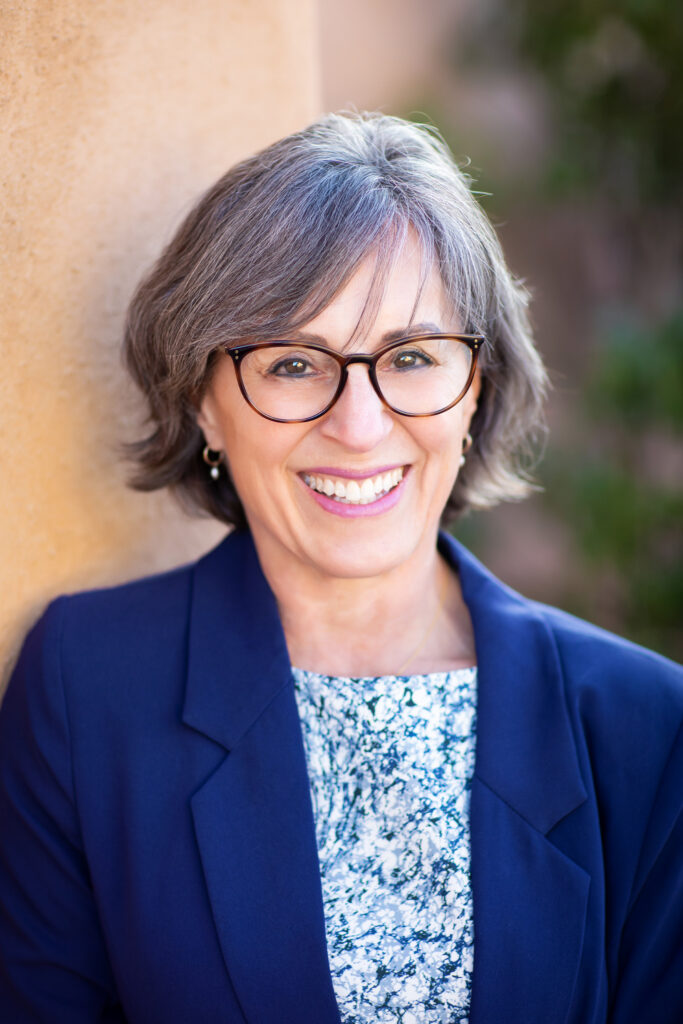
Michelle Grenier, MD is a pediatric cardiologist with over 30 years of experience in both leading academic centers and under-resourced rural hospitals. She specializes in cardiac imaging, outreach program development, and the diagnosis and management of complex pediatric heart conditions including Kawasaki disease, anomalous coronaries, and cardiomyopathies.
Disclaimer: The views and opinions expressed in this article are those of the author and do not necessarily reflect those of High Rock Experts®. This content is for educational and informational purposes only and does not constitute medical or legal advice.